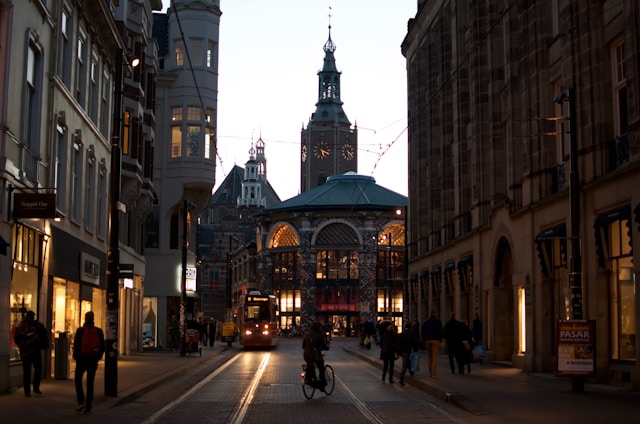
In the global tech landscape, the Netherlands might seem like just a small dot on the European map.
But in reality, it is a silent giant turning the wheels of innovation and drawing the contours of
the digital future for the entire world. It is not just a country that produces technology; it is a
country that redefines what is possible in the fields of semiconductors, artificial intelligence,
communications, and quantum energy.
💰 Financial & Tax Support
1. MKB-winstvrijstelling (SME Profit Exemption)
This exemption is designed for developers who work independently or run small businesses
(ZZP, eenmanszaak). It is a direct deduction from your profit before tax calculation, reducing the tax amount due.
Exemption rate 2026: 12.7% of the profit after deducting other exemptions.
Major advantage: You do not need to meet a minimum number of working hours to benefit from it, unlike some other exemptions.
Important correction: The STAP budget was officially abolished on January 1, 2024, and is no longer available for individuals.
The alternative: The SLIM subsidy offers financial support (up to €25,000) to small and medium-sized enterprises (SMEs) to invest in the training and development of their employees, including developers.
A 3-year bachelor's program (taught in English) focusing on using technology, AI, and design to solve real-world problems, such as flood prevention or social robotics.
A unique program combining science, engineering, and society. It covers specializations like nanotechnology, robotics, and big data, giving graduates high flexibility in the tech job market.
A global bootcamp in web development, data science, and AI, with full-time (9 weeks) or part-time (24 weeks) options, and comprehensive career support.
A leading Dutch initiative offering free mentoring and training programs in information technology, specifically targeting women (such as the Women in Tech program) and underrepresented groups.
The Dutch government, in collaboration with the private sector, has launched clear "development pathways" (ontwikkelroutes) for the ICT sector, providing transparent career roadmaps for software engineering, cybersecurity, and cloud infrastructure.
This technological and financial success cannot be separated from the Dutch culture that supports it:
The Polder Model: A culture of consensus and joint decision-making between the government, unions, and the private sector, ensuring stability in tech support policies.
Practical Modesty ("Doe maar gewoon"): A focus on practical and effective solutions rather than marketing hype, which explains the success of companies like ASML, which prefer to work in silence to achieve absolute technological dominance.
Work-Life Balance: The Dutch environment supports high productivity within limited working hours, preserving the long-term psychological and creative health of developers.
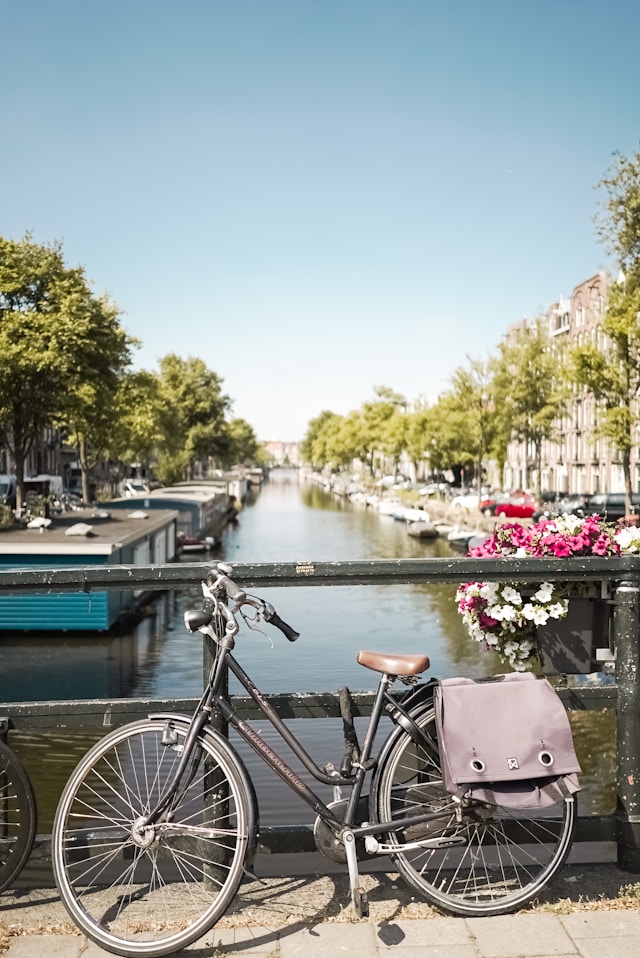
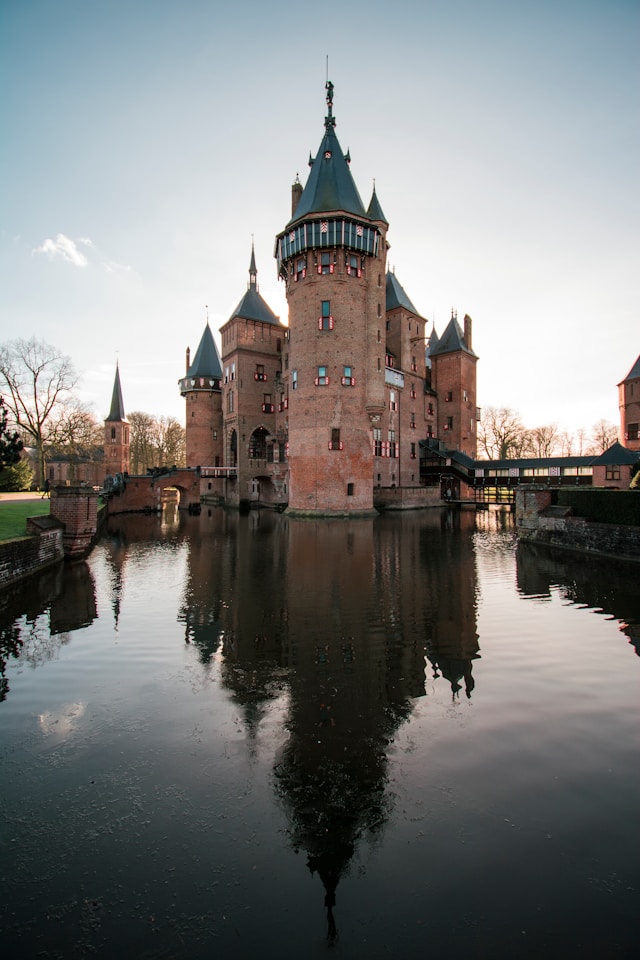
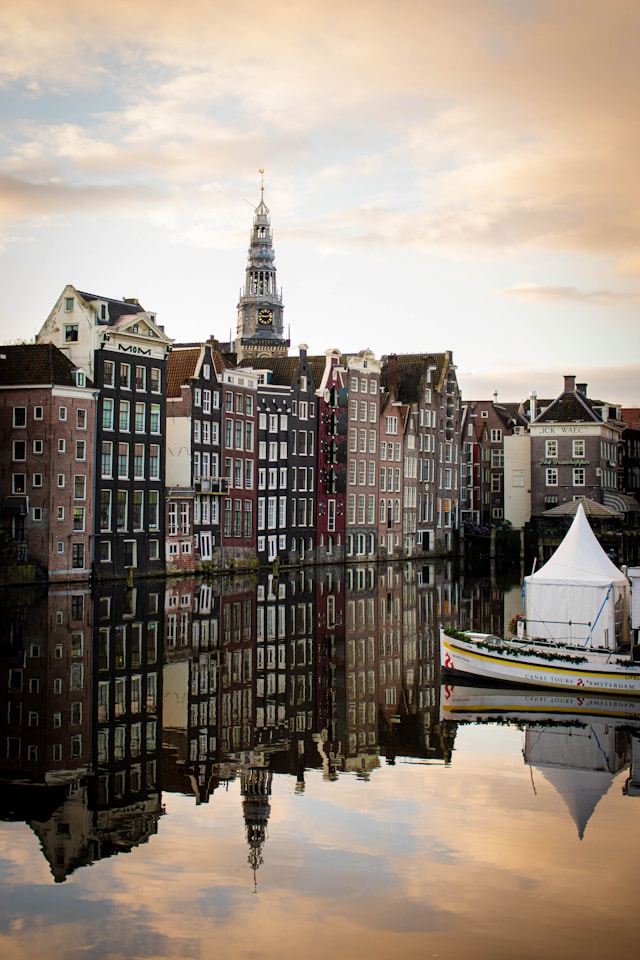
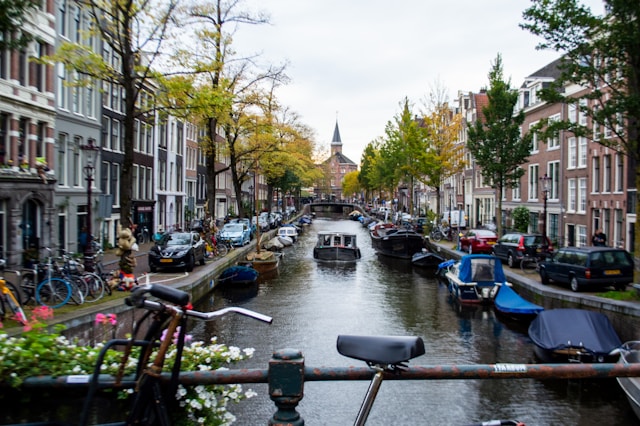
Photo Gallery · Dutch Innovation
Snapshots of technological progress and beauty
helo.mom
helo.mom
helo.mom
helo.mom
helo.mom
helo.mom
helo.mom
helo.mom
helo.mom
helo.mom
helo.mom
📸 Acknowledgments
With sincere gratitude to these talented photographers who make their work available via
Unsplash under the Creative Commons license:
Daria from TaskArmy · Jessica Kantak Bailey · Dee ·
Carina Baumgartner · Nicole Baster · Julia Solonina ·
Irena Carpaccio · Norali Nayla · Clarisa Ravasotti ·
Alix Greenman Their visual stories enrich this page and perfectly capture the essence of Dutch innovation 🌷
A Personal Gift
This page is a gift from the owner of helo.mom to everyone who believes in privacy,
innovation, and the power of open knowledge. May it inspire you and be of service on
your journey through the Dutch technological world.